

How Many Scoops of Coffee per Cup?
Learn how to brew the perfect cup with our step-by-step guide—covering water, grind, ratios, tools, and tips to help you find your ideal coffee balance.

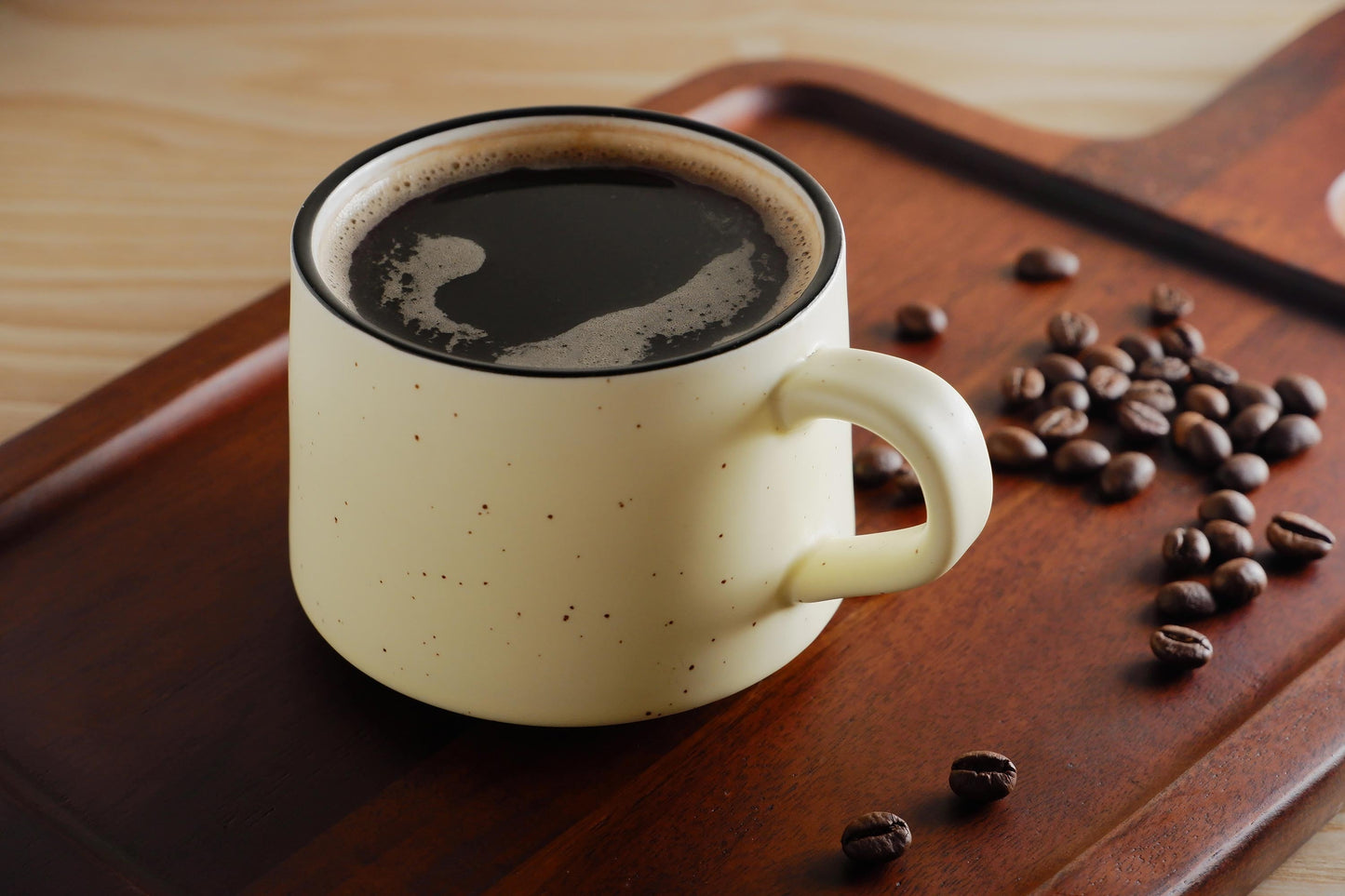
This is one of the most common questions I receive from Tradition followers. It always makes me smile because I picture a tiny teaspoon next to a shovel and think to myself, “What tools are you scooping with?” What size spoon do you use? Flat or rounded scoops? What size cup? What type of brewing method? It reminds me of being a fireman and how there were 100+ ways to remove a door to get into a building...
Brewing a great cup of coffee is the same—you have to find a method that you will enjoy over and over again. It’s incredibly fun because you can experiment with the roasts, the brews, and the ratios. No one person or blog has the magic recipe, as water, grind, brew, and above all, preference come into play. You have to find your sweet spot of these combinations—and to arrive there, I will give you the basics.
Put on your lab coat and treat this as a science experiment: consistency is key. Without measuring for consistency and adjusting one variable at a time, we can’t be sure what we did right...or wrong. For consistency, we need tools. As with anything, you can spend a bundle or go budget. You can weigh the financial pros and cons for yourself. I have my opinions on our website—if you have other questions, feel free to contact us.
Tools
- High quality water — When there are two ingredients and over 98% of your coffee is made up of H₂O, it certainly deserves emphasizing. Your water should match the quality you are looking for in your final cup. I have a filtration system for my brewing station.
- Fresh roasted whole bean coffee — From us here at Tradition Coffee Roasters or another roaster you trust. Freshly roasted and freshly ground are easy ways to easily improve your cup. This means you will need a grinder if you are going to go this route. My recommendation is the Baratza.
- Scale — That measures to the 0.1 gram (grams are the unit of choice).
- Decide on your brew method.
Steps for a 177 milliliters (mL) cup (That's about 6 fl oz.)
- Heat 177 mL of water to about 200˚F. Simply, the water’s job is to help dissolve the coffee. Hot water does this better than cold water. One variable you can tinker with is adjusting the temp a couple of degrees and seeing how it affects the taste. I have settled on 201˚F.
- Measure your coffee. Start with a 17:1 ratio and divide your mL by 17. 177 ÷ 17 = 10 grams of coffee. Consider adjusting the amount of coffee—more or less—and see how it affects the taste. A level Tradition Coffee spoon is 5 grams of grounds, and a rounded scoop is 10. So you can use two leveled spoons or one rounded Tradition spoon. This varies only slightly depending on how fine you grind. Our spoon is approximately equal to 1 tablespoon.
- Grind your coffee to a medium grind. Finer grinds allow more coffee to dissolve, producing a stronger cup. This is important—if you want a stronger or lighter cup, adjust your grind before you change your water-to-coffee ratio.
- Brew based on your method (Drip, Pour Over, Aeropress, French Press, etc.).


